
7 Parasite Management Mistakes
You cannot deworm your way out of poor parasite management practices.
I used to treat worms like a calendar chore, and for many years that was the common practice. I’ve seen the trend change over the past 30 years working with horses, it was all livestock, not just goats. Now, we have created parasites that are resistant to many of the dewormers we depend on. When someone looked “rough,” I treated the whole herd “to be safe.” That program felt inclusive and practical. It also taught barber pole worms how to survive everything veterinarians told livestock owners to use.
When I started working with livestock, mostly horses, 30 years ago, we wormed everyone on a schedule. We didn’t typically run fecal tests to check parasite egg count. Why? We would be giving them worming medication anyway, right? Then we started rotationally worming animals, still on a schedule with no fecal testing, because the parasites were becoming resistant to the various wormers. Thankfully, we have progressed to fecal testing.
Internal parasites – especially Haemonchus contortus, the barber pole worm – are still the number one production killer in small ruminants across most of the country. The medicine cabinet did not fail us first, out management practices did. Resistance is now common enough that some herds have worms that laugh at every drug class on the shelf. Here are seven mistakes I see most, including some I have made.
#1 Worming on a Schedule Instead of Worming the Goat
A syringe or paste wormer every 8-12 weeks used to be the standard advice. It is also one of the fastest ways to breed resistance in parasites. Every time you treat, the weakest worms die, and the toughest ones live. Treat often enough, and you are running a breeding program for super worms. Survival of the fittest at it’s finest. Then you start to question your sanity because you are worming on a strict schedule, but your goat’s condition is not improving.
The fix is simple: treat the animals that need it, not the entire herd based on a date on the feed-room wall. In barber pole country, that starts with FAMACHA – checking the lower eyelid for anemia – plus body condition and symptoms. FAMACHA only speaks to blood-sucking worms, so pair it with a five-point look, eyes, jaw, condition, coat, and manure. Check kids frequently, late-pregnant does, fresh milkers, and thing goats every 2-4weeks in peak worm season.
A fecal test, testing the manure for parasite eggs, is now standard practice. Yet, many of us remember a time when we ran fecal tests only when the animal was symptomatic after multiple rounds of worming medication didn’t work. For those were budget-conscious, you can DIY your fecal tests with some basic home supplies or even send your sample directly to the lab skipping the vet visit. Pre- and post-treatment testing is recommended to determine if the treatment is needed, which medication to give, and post-testing to ensure the treatment worked. I see many questions in social media groups where people are still having issues, despite treatment, but never ran a post-fecal test to see if the treatment was effective. Have the parasites in your herd developed a resistance to the treatment you just did three rounds of?
#2 Treating the Whole Herd “To Be Safe”
This feels like love, it’s not. The thought is what if one or two of them have a heavy parasite load, they all must since they live together. So why not treat everyone? Worms are not spread evenly. Roughtly a quarter of the animals shed the majority of the eggs. Treat everyone, and you whipe out the susceptible worms living in the healthy goats – the population called refugia – which keeps a dewormer useful next year. Leave the bright-eyes, well-fleshed, and small parasite loads alone. Treat the pale, skinny, bottle-jawed, low FAMACHA, and ones who are not able to maintain health with a parasite load (no matter the fecal egg count). I know that seems counterproductive, but goats can actually build immunity to low to moderate parasite loads if they are in good health. If the same does needs treatment every 4-6 weeks because even a moderate parasite load is causing her to be symptomatic, she is not unlucky, she is a pasture contaminator. Susceptability to parasites, as well as resistance can be genetic. Breed your most resistant goats that require minimal intervention and create your own parasite-resistant herd. Selling or processing the repeat offenders is parasite management.
#3 Guessing Weight and Using the Sheep Dose
Yes, goats and sheep are both small ruminants, and many times approximately the same size. They are NOT the same. Underdosing is how those medium-tough worms survive and become the new normal. Most of us underestimate goat weight, a weight tape or a cheap scale pays for itself. Goats also clear these drugs faster than sheep, so a sheep label is not a goat protocol. This is true for many medications used on both sheep and goats. Extra-label use should go through your veterinarian – dose, product, and withdrawal times included. Store bottles in the house, not the hot truck or freezing barn.
Give oral products over the back of the tongue with a drench gun or syringe that actually measures the dose. Pour-ons and injectables linger at low levels and train worms to live through the drug; this is based on absorption times and how long it takes to get to the parasites. Plus, oral wormers go directly to where the parasites are living, in the digestive tract. If your goat spits half of it in the dirt, they did not get treated. Readminister the medication.
#4 Deworming and Moving Straight to Clean Pasture/ Pen
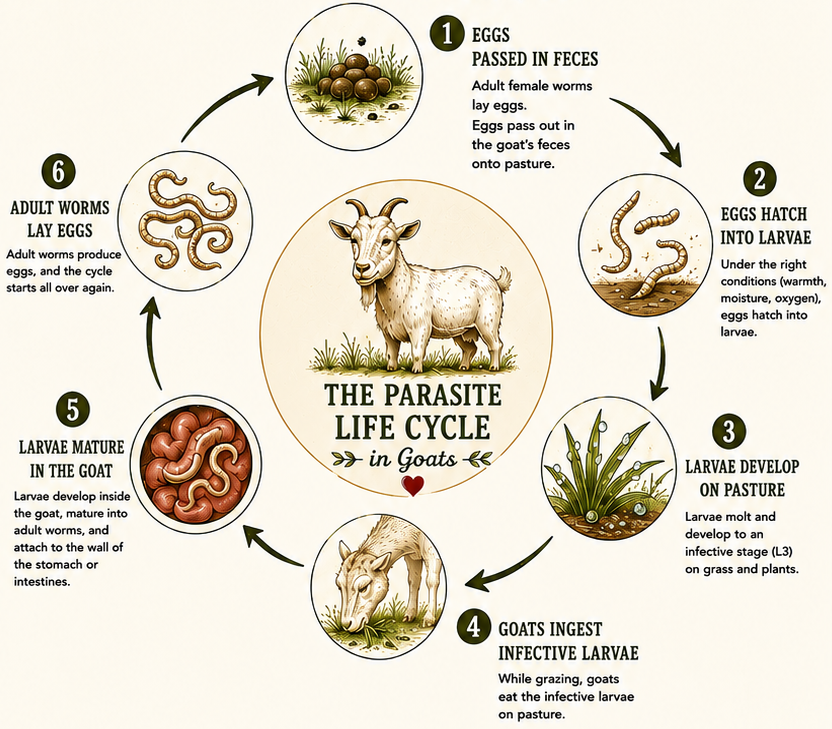
“Drench and shift” used to be gospel. Treat them, then put them out in the pretty paddock you have been resting. What you just did is seed that clean paddock with the worms that survived the treatment – the resistant ones. After a treatment, keep them in the same pasture or pen for 24-48 hours. This window allows the goat and wormer to evict the surviving eggs & parasites, and not contaminate a new pasture. Rest pasture for several weeks helps break the parasite cycle. Three weeks is not really rest, but it is the bare minimum amount of time I would recommend. Seasonal rotation is better. If you can keep goats off that same pasture for 12 weeks or more, you have a better success rate with parasite control. In warm weather and certain regions, the parasite life cycle can beat a short 3 week pasture rest.
#5 Grazing Them Into the Dew
You cannot out treat a short pasture. Infective larvae crawl a couple of inches up wet grass, that early morning dew is just what they need. When goats graze the stubble and short grass, they eat breakfast off a worm ladder. So, letting your pasture grow longer may not be pretty, but it will help with your parasite prevention goals. Keep residual height up – four inches as a working floor – and let them browse. Remember, goats always go for browse first! Hay should be fed off the ground in some sort of feeder. Hay feeders are not just good parasite prevention, but as soon as that hay hits the ground, goats no longer see it as food. Rotate and rest pastures and pens. Cattle or horses behind goats can help, they do not share the same worm burden in the same way. On a small farm, stocking rate is often set by parasites before it is set by grass/ and browse availability because we can always supplement feed.
#6 Rotating Dewormers Like Oil Changes
Once we started realizing that our “go to” worming medications were causing resistance, rotational worming came onto the scene. It was the solution to our parasite resistance problems. So we thought. Switching products every month because “you are not supposed to use the same ones” used to be the advice. Used that way, rotation teaches worms to survive every class of worming medication faster. Use what still works, use it correctly, and only for the animals that need it. Combinations from the different drug classes, given together when indicated, can hit harder than rotating treatment. A fecal egg count reduction test- count, treat, count again – tells you if your treatment was successful. Or if the count barely moved, you are breeding resistant parasites or that drug no longer works.
#7 Treatment Focused Instead of Prevention Focused
Many parasite prevention programs were heavily focused on treatment, not better management practices. Pharmaceutical companies sold us on this, because it was simply what happened with domesticated livestock. We control their environment and keep them in small pens and pastures, minimal pasture rotation. Treating livestock was normalized, as much as spraying chemicals in their living areas to kill parasites and other undesirables. Management systems that made the farmer’s lives easier, vs better management practices, were normal. It was progress.
Thankfully, research and education have finally started changing the narrative. Do many larger commercial facilities still operate with the treatment first mindset? Yes. Do we need to do it on our personal farms? No. Why not avoid parasite treatment altogether then? Problem solved. It is not as crazy of an ideas as it sounds. Other than a case of coccidia in 3 kids this past spring, which was very wet and muddy, I haven’t needed to treat my herd with commercial wormers in 2 years. So, how? First, nutrition. Ensure they have access to loose minerals and give copper boluses. Minerals play an important role in parasite prevention, and we will dive deeper into some of that in next week’s blog. Next, breed and keep naturally resistant goats. If you keep having to treat the same goat repeatedly, while the rest of the herd is fine, that goat may not have a place in your breeding program. Depending on your program, maybe consider culling.
In addition to better pasture management, and housing practices, provide nutritional options regularly with anti-parasitic properties. Simply adding a small amount to their feed on a consistent basis each week, can significantly reduce of even eliminate the need for commercial pharmaceutical dewormer products. Or at least help save them for when they are really needed.
Here is a list of natural anti-parasitics that have been clinically proven effective in USDA/ ACSRP trials against parasites in goats:
- Sericea Lespedeza – Can be grown and also available in pellets. Fecal egg counts dropped 60-90% in trials, even reduced coccidia oocysts.
- Copper – Specifically helps with barber pole worms. Can feed copper as a regular mineral, copper bolus, or use copper oxide wire.
- Pine Bark/ Pine Tannins – One trial of feeding ground pine bark at 15-30% of their ration dropped fecal egg count by about 50% in meat goat trials. Personally, I feed mine fresh pine (chop & drop style) regularly, they love the needles and bark. Be sure to know what type of pine you have before feeding, not all pine is safe for goats.
- Oregano Oil – Works well against Haemonchus eggs and larvae. One trial showed a 60% egg reduction at 14 days with no toxicity. A note that these trials were completed on sheep, and goat specific data is thinner, but goat owners claim it’s effectiveness on goats as well. May need to adjust dosage compared to sheep.
What Parasite Prevention Looks Like in Practice
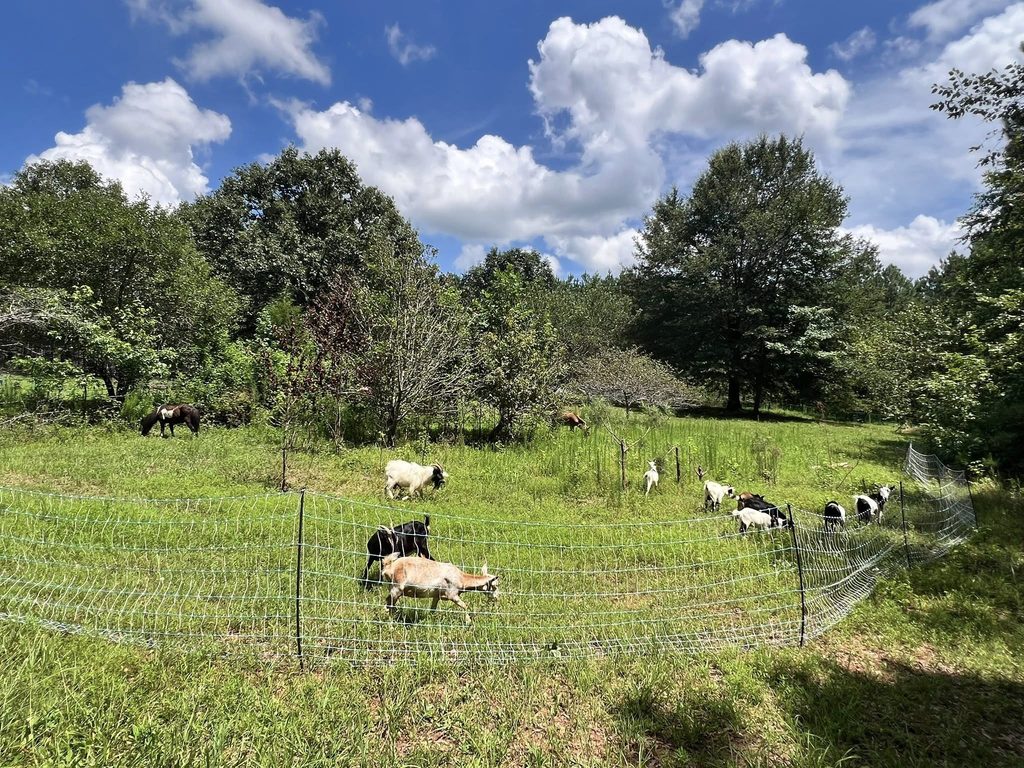
Walk the herd on a rhythm during parasite season, there is a seasonality to the parasite pressure in many regions. Score eyelids (FAMACHA) and body condition. Treat the ones who need it and leave the rest. Keep grass taller than your pride and the neighbors may like. I mean, let’s be honest, you own goats. Your grass is probably the least annoying thing to your neighbors. Prioritize browse and elevated hay feeders. Feed anti-parasitic options routinely year round. Quarantine newcomers and cull the perpetual patients, or at least remove them from your breeding program. Use medications as a rescue, not the routine.
A Printable Beats a Panic Trip to the Feed Store
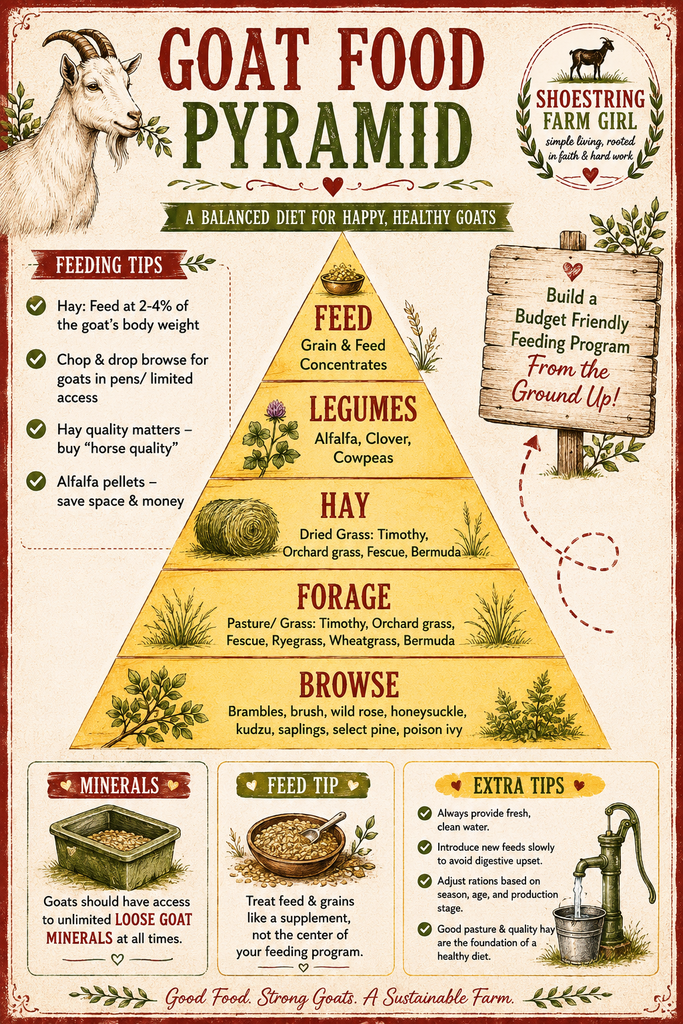
Worm season is not the moment to reconstruct this all from memory, in the rain. Check out my printable Parasite Prevention Bundle you can hang by the drench gun. They are a tool, not a magic packet. The work is still in your hands on how to get your goats to allow you to check FAMACHA scores. Don’t forget to sign up for my monthly Shoestring Farm Girl newsletter at shoestringfarmgirl.com – practical livestock notes, budget help, and seasonal reminders for the long haul. New product launches, discount codes, and giveaways. Plus, when you sign up you get a free PDF of my Goat Food Pyramid.
Happy Goats. Healthy Herd. Purposeful Living.
Parasite management is animal husbandry, it is a science. It is walking the fence, watching who hangs back, hard work of maintenance, and refusing to let a bottle of worming medication make the next generation of parasites harder to kill than the last. Start with the goat in front of you, and the management practices you control.
Carrie Lynn – The Shoestring Farm Girl
Sign up for our monthly newsletter and get a FREE PDF of the Goat Food Pyramid.
Check out my quick reference Parasite Bundle!
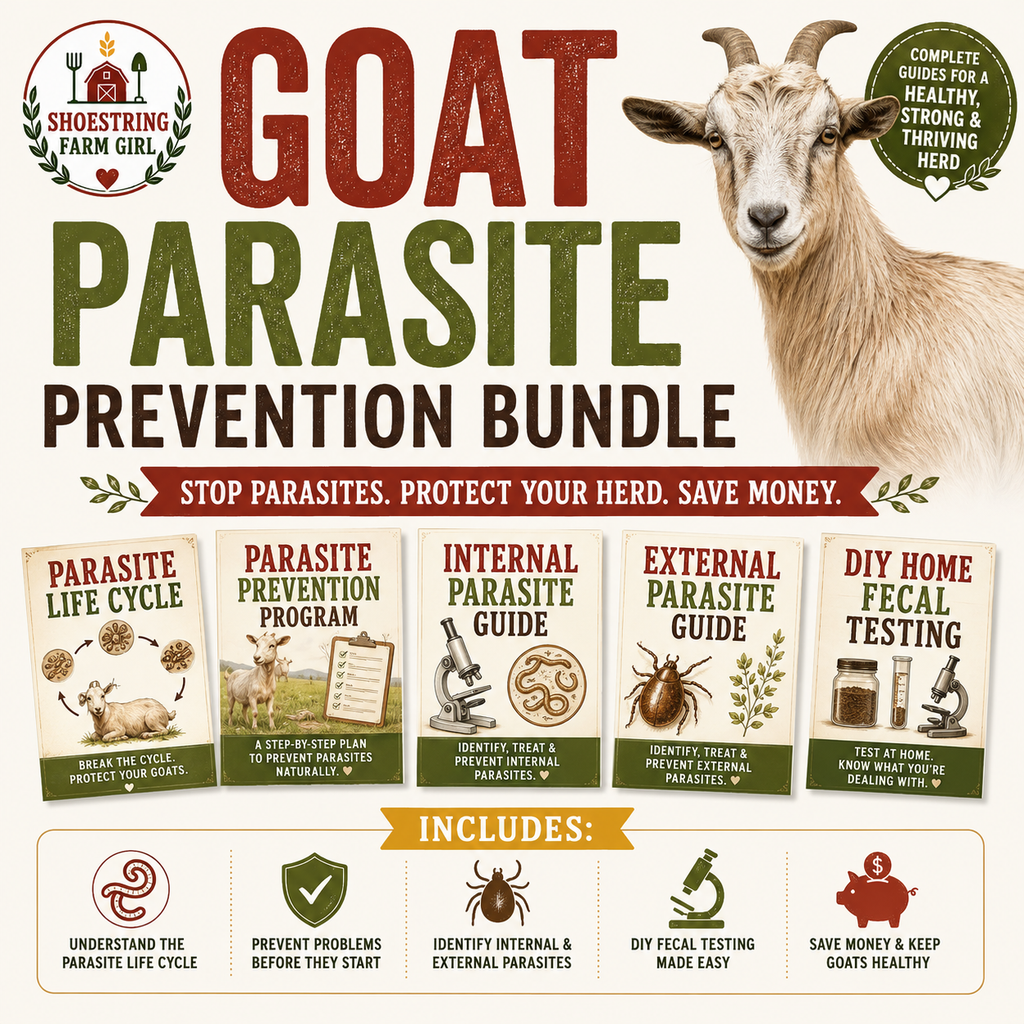
*This post is for education, not a prescription. Work with a veterinarian before using any dewormer extra-label. For current small ruminant guidance see wormx.info, the American Consortium for Small Ruminant Parasite Control.
Blog
This section provides an overview of the blog, showcasing a variety of articles, insights, and resources to inform and inspire readers.
-
Goat Hay for Winter on a Budget: Best Types, Quality Secrets, Storage & Waste Tips That Actually Save Money
Cold weather is coming, and now is the time to buy hay for the winter.…
-
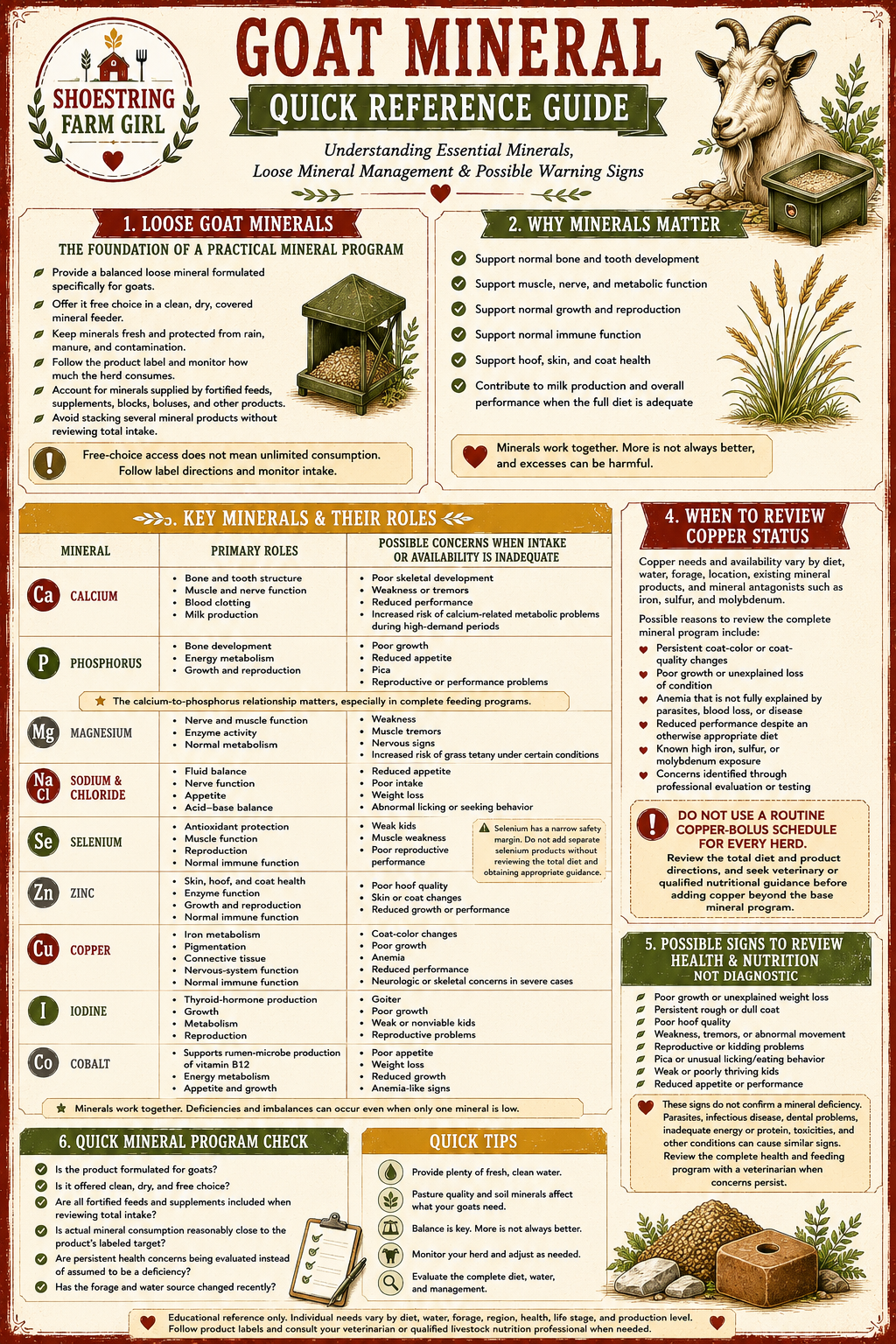
10 Minerals Your Goats Might Be Short On
10 Minerals Your Goats Are Short On and How to Supplement Without Breaking the Budget!…
-
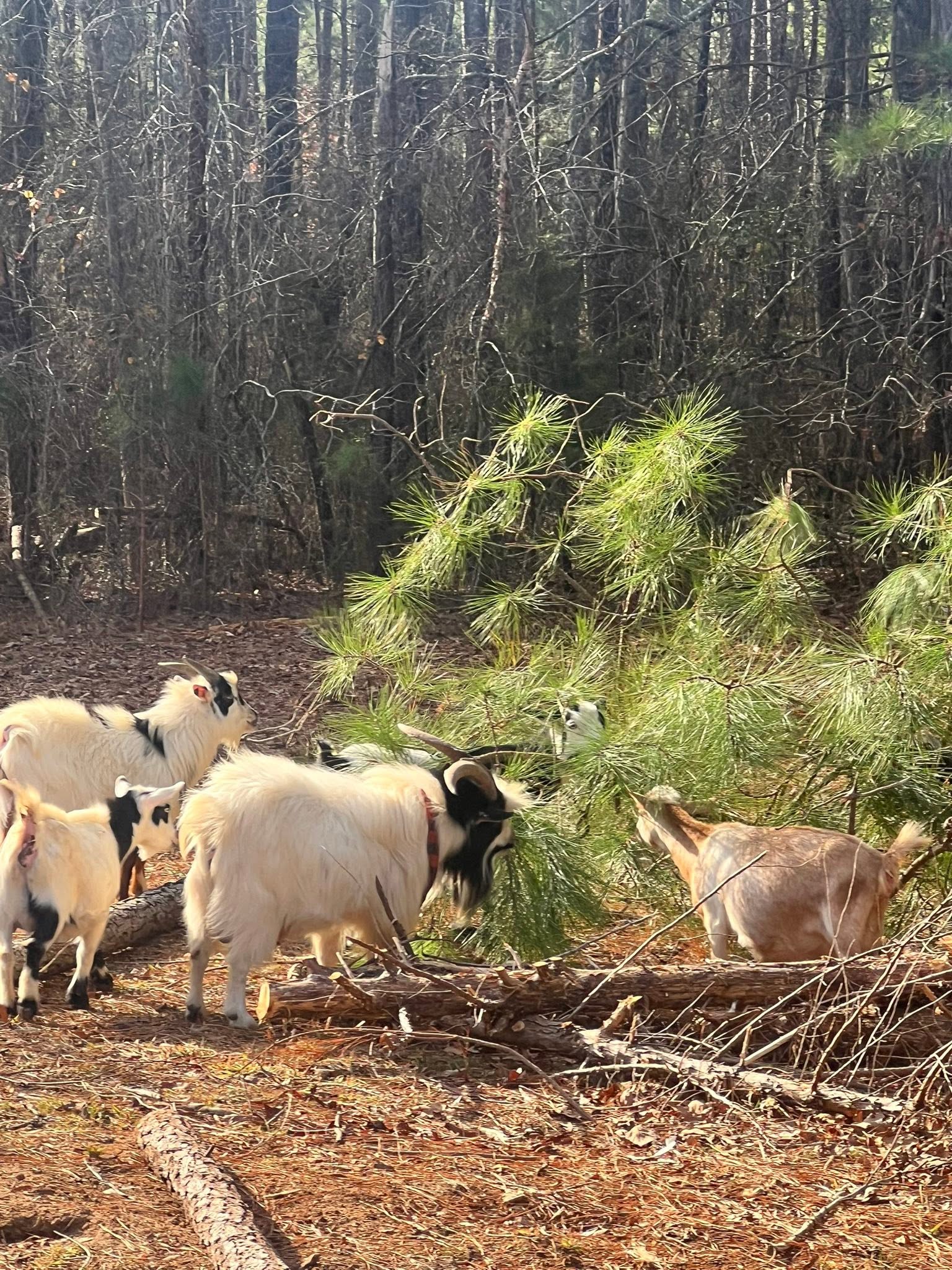
Natural Goat Dewormers: 5 That Hold Up on a Fecal, and 5 That Don’t!
Most “natural” goat dewormers die in the rumen. Here is what fecal trails and science…
